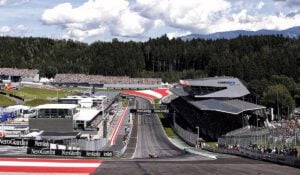
Österreichring 1969 - 1995
Originally the Red Bull Ring was known as the Österreichring. It was built in 1969 and was 5.911km / 3.673 miles long, nestled in the stunning Styrian mountains in Spielberg, Austria.
It replaced the old Zeltweg Airfiled Circuit with a much longer, faster design. Although it was narrow – just 10 metres along the whole lap – speeds were incredibly high.
At the final Grand Prix held on this layout in 1987 the pole sitter Nelson Piquet set an average lap speed of just over 159mph. With little to no run off or protection, this made the circuit very dangerous. Despite a couple of minor circuit alterations, notably adding a chicane to the first corner which took it from the fastest to the slowest turn, the circuit still took lives. The ongoing safety concerns led the circuit to be rebuilt in 1996.
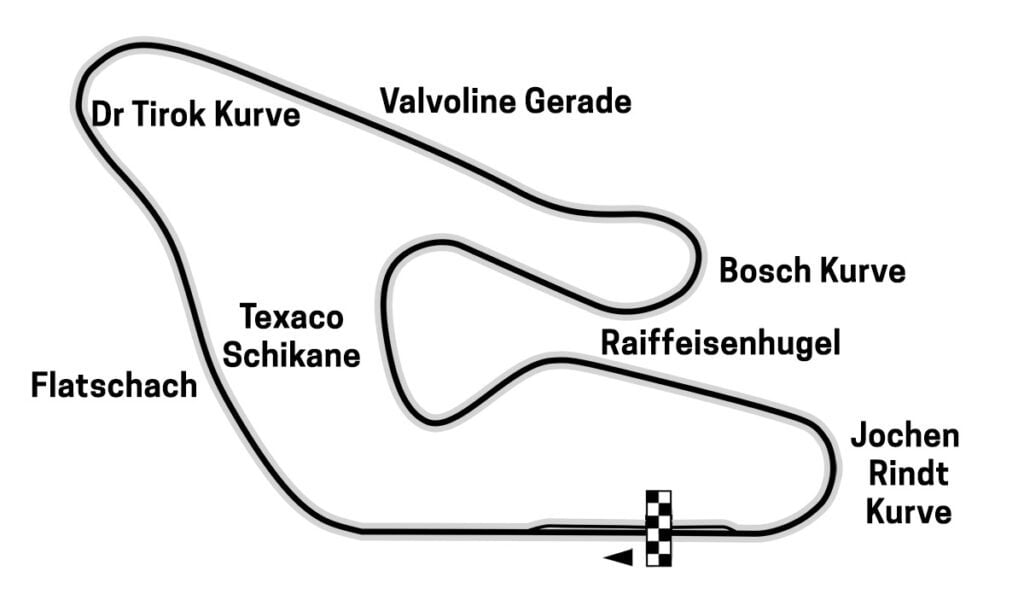
A1-Ring 1996 - 2004
Circuit length: 4.326 km / 2.688 miles
The circuit was completely redesigned and rebuilt to the layout, but not the name, that we know today. The dangerous fast sweeping corners were replaced with tight ones that gave more chances to overtake.
As much of the circuit’s rebuild was funded by the mobile phone provider A1, the circuit was named after them. This configuration hosted 7 Austrian Formula 1 Grand Prix before it would eventually be renamed again.
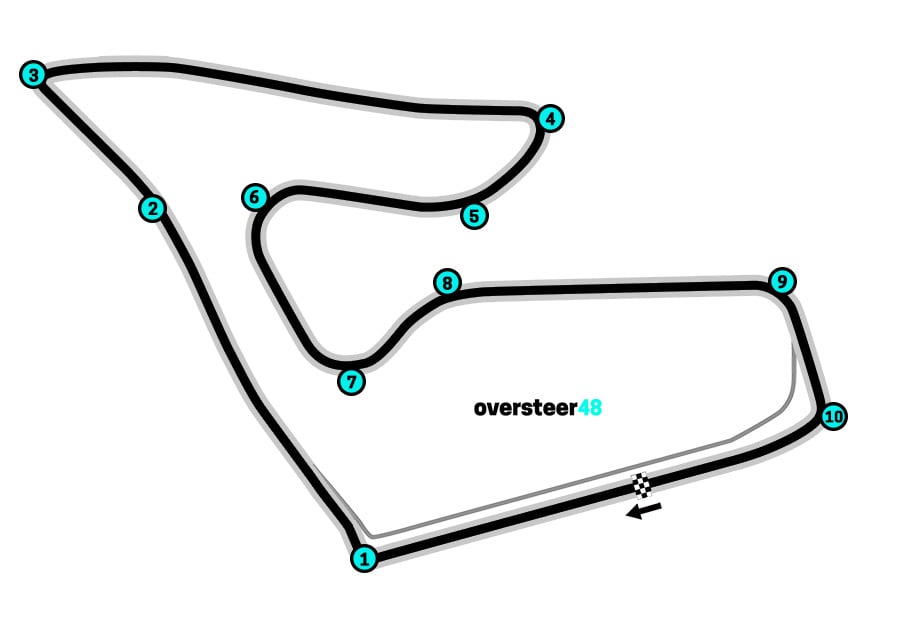
Red Bull Ring 2011 - Present
Circuit length: 4.326 km / 2.688 miles
Formula 1 ended the A1-Ring’s contract to host the Austrian Grand Prix at the end of 2003. After that the circuit went up for sale and it was bought by Red Bull.
Many ideas were thrown around with what to do with the circuit, but eventually it was decided to revamp the pitlane and facilities and to bring motorsport back. The track layout was kept the same.
In 2014, now named the Red Bull Ring, the circuit again hosted the Austrian Formula 1 Grand Prix, and has done so every year since.
In 2020 during COVID-19 it hosted two rounds of the F1 championship, one of which was called the Styrian Grand Prix. Lap records have been tumbling over the last few years at this layout.
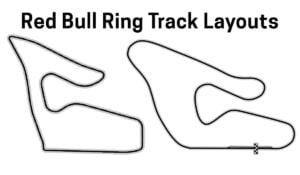
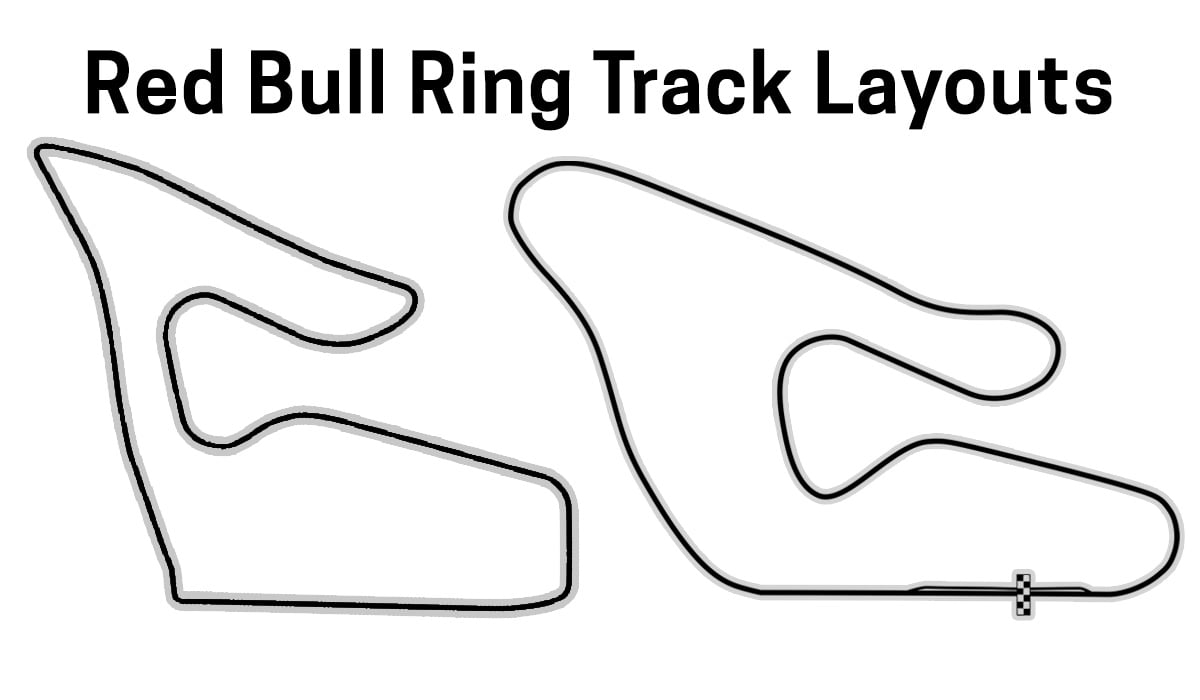
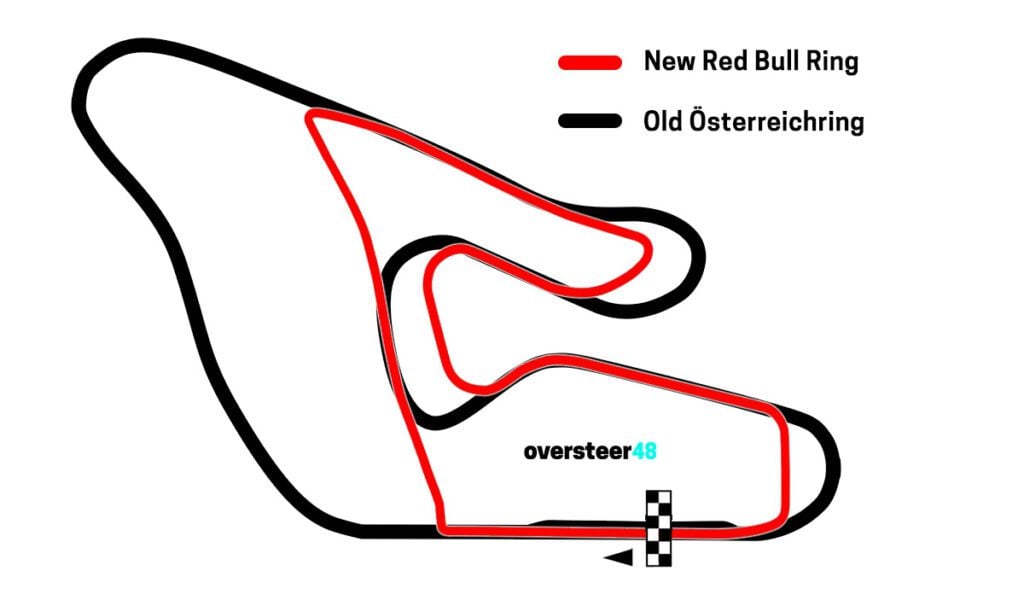
Below you can see a comparison of the old Osterreichring circuit with the new Red Bull Ring.
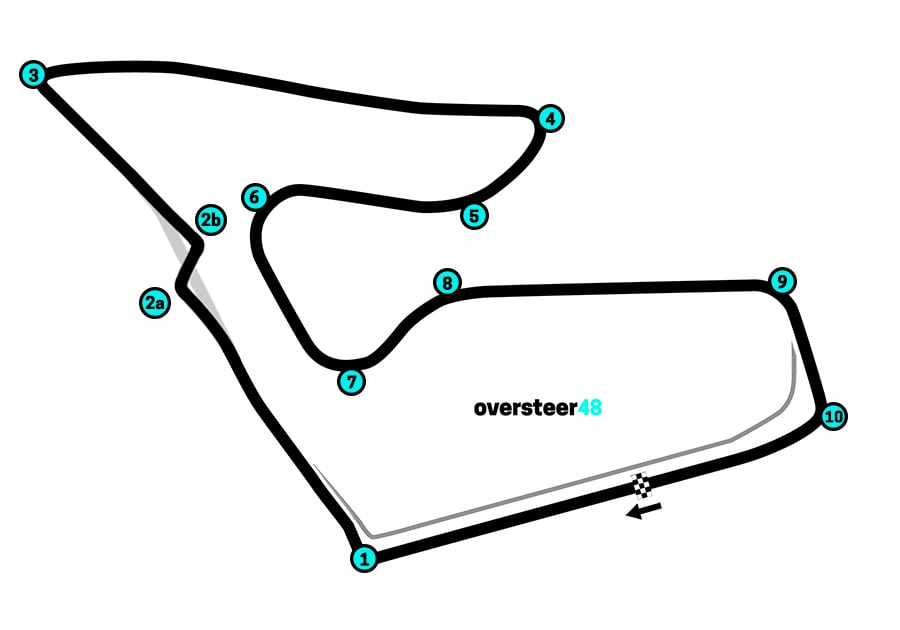
Red Bull Ring MotoGP track layout
Circuit length: 4.348km / 2.702 miles
For a number of years the MotoGP ran on the standard Red Bull Ring Grand Prix layout. But a number of incidents between Turn 1 and Turn 3 brought the safety of the circuit for the bike riders in to question.
So in 2022 the organisers introduced a chicance at Turn 2, which used to be a flat-out left kink. This added turns 2a and 2b to the circuit and slowed the bikes down considerably.
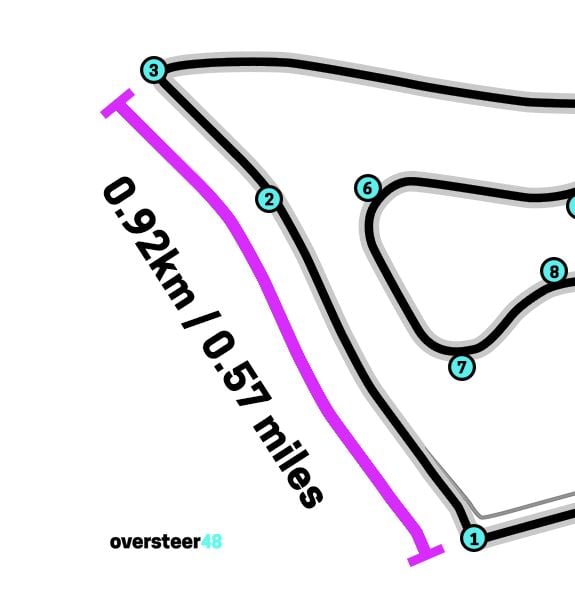
Longest straight
The longest straight at the Red Bull Ring Formula 1 layout is the ‘straight’ between the exit of Turn 1 and Turn 3. This uphill left hander features the flat-out Turn 2 and regularly sees the F1 cars reach over 200mph before they hit the brakes for Turn 3.
This ‘straight’ is 0.92km / 0.57 miles long.
Austrian Grand Prix F1 top speeds
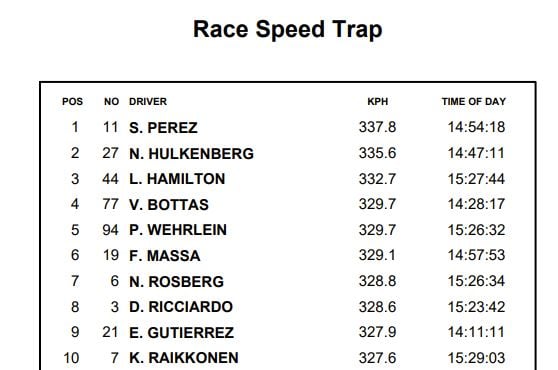
The top speed recorded at the current Red Bull Ring circuit layout is 337.8kph / 209.9 mph by Sergio Perez during the 2016 Austrian Grand Prix. Perez was driving for Force India and used a combination of the DRS and slipstream to reach that speed. Check out the current F1 lap records for the circuit.
On the old Osterreichring circuit layout, Derek Warwick was clocked at 344 kph / 214mph in his 1400bhp Brabham BT55 before braking for the Bosch Kurve.
Austrian MotoGP top speeds
On the pre-2022 version of the MotoGP circuit, without the chicane at Turn 2, top speeds were much higher.
In 2021 Francesco Bagnaia was clocked at 321.4 / 199.7 mph at the speed trap between Turn 1 and 3 during the race. Just shy of 200mph. On a bike.