Formula 1’s 2026 regulations have already been under heavy scrutiny, and the FIA’s latest tweaks have only added to the debate.
While many of the changes are aimed at improving safety and drivability, one or two in particular stand out as moving further away from the raw racing spectacle we want: a deliberate move to reduce power in wet conditions, and a helping hand for cars that get a slow start.
The FIA’s latest adjustments are primarily focused on energy management, with several key changes designed to smooth performance and reduce extremes. Below are each of the changes in more detail
1. Qualifying recharge limit reduced from 8MJ to 7MJ per lap
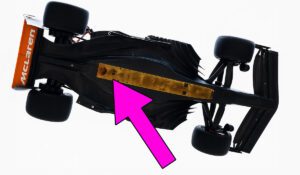
The F1 cars have a 4 Mega Joule(MJ) battery. They can charge or discharge that battery as many times as they like per lap, as long as they don’t exceed a total recharge limit per lap. These changes have reduced that recharge limit to 7MJ per lap.
With a lower recharge limit the cars will not be able to spend so long harvesting energy because they’ll reach the 7MJ limit sooner.
In theory that means that they’ll be able to stay flat-out for longer, rather than having to lift and coast or superclip for so long. But the lower recharge limit means they’ll have less electrical energy to use, so laptimes will reduce. Expectations are an average of 1 second per lap slower.
A number of refinements to the 2026 FIA Formula One World Championship regulations were agreed today during an online meeting between the FIA, Team Principals, CEOs of Power Unit Manufacturers and FOM 👇#FIA #F1https://t.co/uNuH178yCI
— FIA (@fia) April 20, 2026
2. Superclipping recharging increased from 250kW to 350kW in race and qualifying.
By allowing the cars to generate more electrical power when they are superclipping we should see two benefits:
One will be that they need to superclip for less time as the batteries will recharge faster. The other benefit is that there should be less need to lift and coast to recover energy.
Both of those are good things. Faster recharging means more time flat out.
3. MGU-K deployment reduced to 250kW for key acceleration zones (corner exit to braking point).
Outside of those zones the current deployment limit of 350kW still exists.
In theory this should reduce the speed differential between cars. If one has a full baterry but another has an empty battery, the lower limit of 250kW will mean the difference between the two isn’t so bad.
4. Boost mode power increase reduced to +150kW
Again this will help reduce big closing speeds.
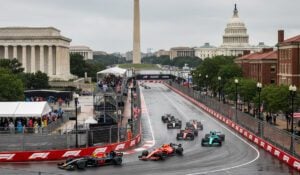
5. ‘Low power detection mode’ will engage on Race Starts, to help cars that make bad starts.
If a car makes a poor getaway it will trigger a new system called Low Power Detection Mode. In that case the MGU-K will be triggered automatically to provide a minimum level of acceleration without introducing ‘any sporting advantage’.
I’m not a fan of this one. Good starts and bad starts are all part of racing. If Ferrari currently have an advantage at the starts because of their smaller turbo charger – which they purposefully installed with the original 2026 regulations in mind – then let it be.
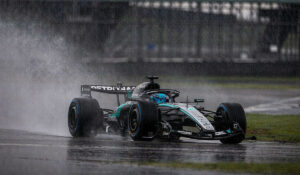
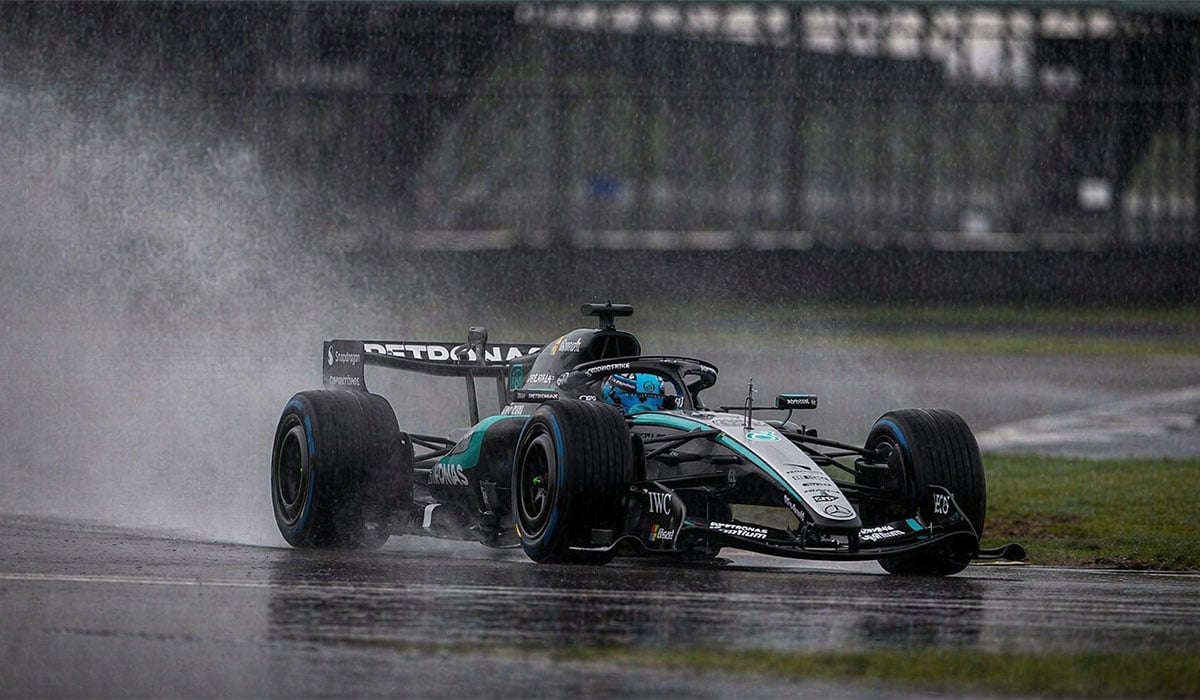
6. Battery deployment levels will be reduced in wet weather.
It’s this final change that I can’t get on board with at all.
Reducing ERS deployment in wet conditions will limit torque delivery, making the cars more predictable and less prone to sudden wheelspin. From a safety perspective, it makes sense — especially in modern F1, where visibility and spray already play a huge role in limiting racing.
But Formula 1 has never been about making things easy. Wet weather has always been the ultimate test — where the best drivers separate themselves. It’s where instinct, car control and bravery matter most. By reducing power, you inevitably reduce the challenge.
Historically, some of the sport’s most iconic moments have come in the rain. Drivers wrestling unpredictable, powerful cars on the edge of grip. In the turbo era they handled over 1000bhp with no traction control, no ABS, and far less aerodynamic stability than today. Circuits like the Nürburgring demanded total commitment, even in the worst conditions.
Modern Formula 1 is faster, safer, and more technologically advanced than ever, but with each adjustment, the balance shifts slightly further away from that raw edge. The 2026 rules, with their heavy reliance on energy management and now reduced wet-weather power, risk moving the sport toward a more controlled and managed form of racing.